Video Frame Rates, Shutter Speeds and Motion Blur

 Video Frame Rates, shutter speeds anD motion blur

Video (and film) frame rates, shutter speeds and the resulting creative side-effect, motion blur are either a mystery to you or they are not.

If they are, read on! There is another short article I have written about the connection between shooting at 24, 25 or 30 frames per second and how that relates to achieving the so-called ‘film look’. (You can read it here.)

This post will show the effect that shutter speeds have on your footage with a short camera test and a close look at its results.

test Settings

The test was shot on a Fujifilm X-T3 with a 56mm, f/1.2 lens. That’s the completely irrelevant bit as the test is in no way about the camera or the lens.

The physical resolution of the video files is HD (1920×1080), recorded using the HEVC codec (using All-I compression) at 25 frames per second at 200 Mbps. I used Fujifilm’s Argos (R) profile (just because I like it). Apart from that the files were not processed in any way.

The stills are jpeg framegrabs from DaVinci Resolve. The composite video is a h.264 export from Resolve.

Frame 2
Frame 1

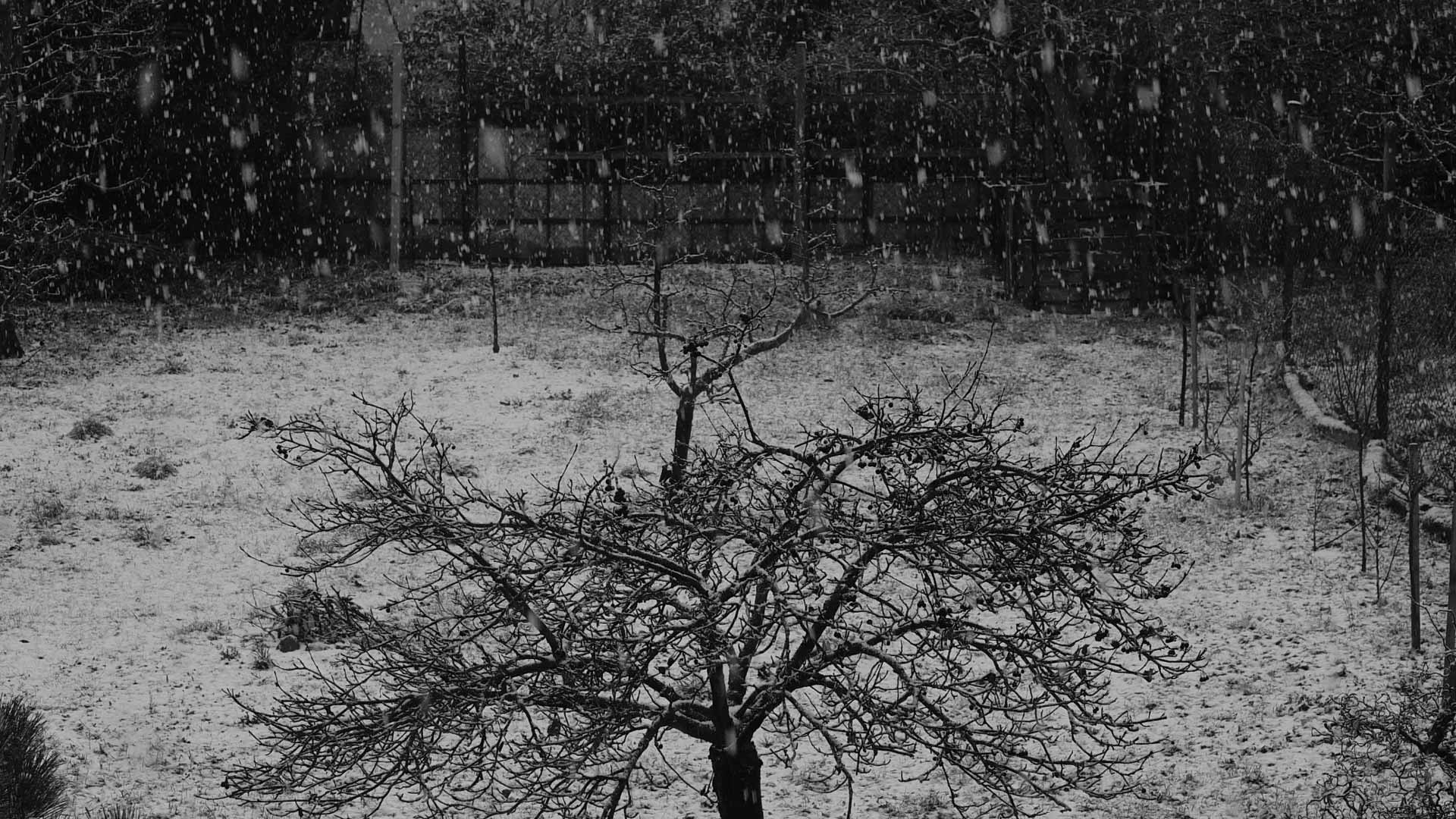
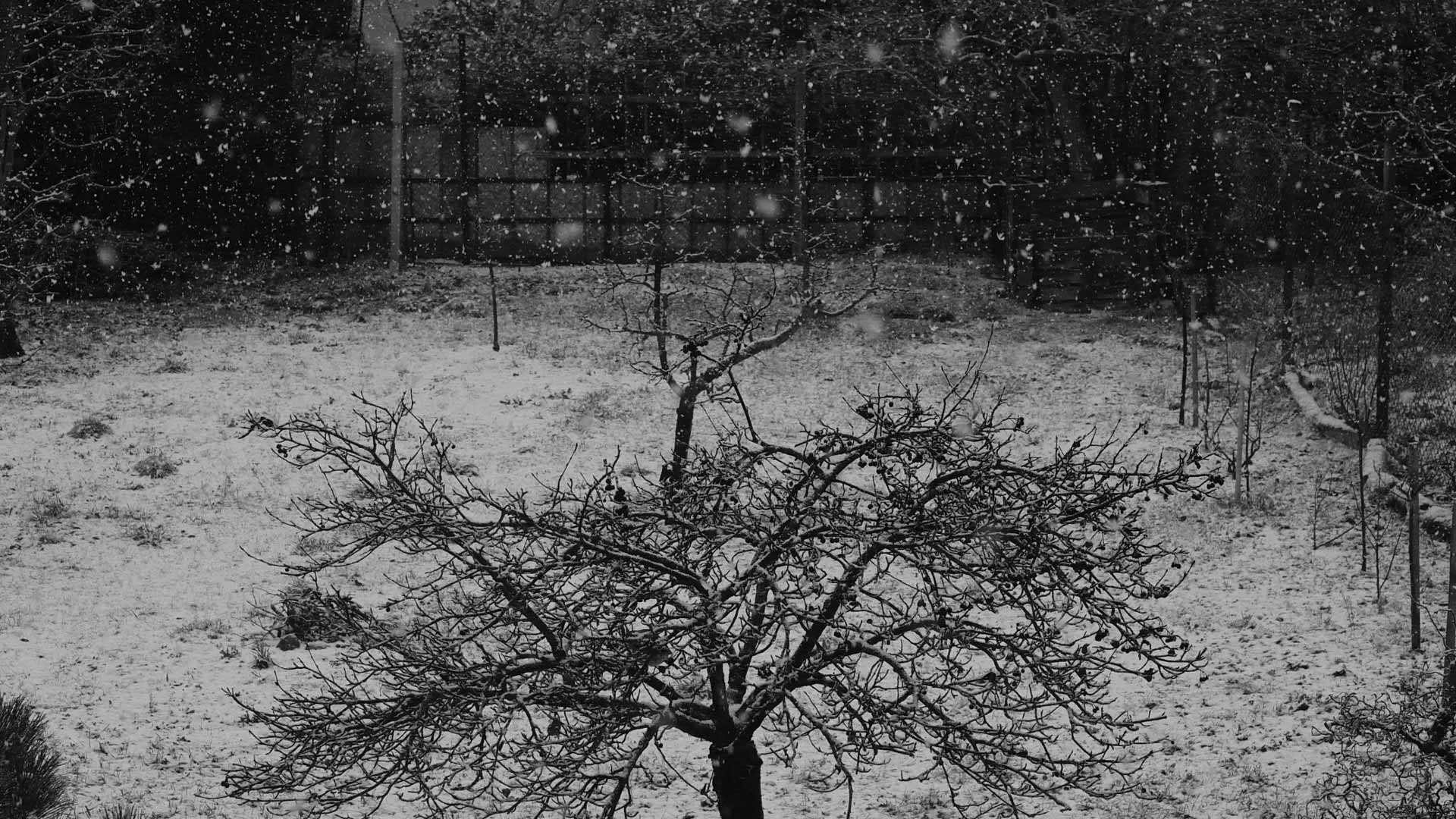
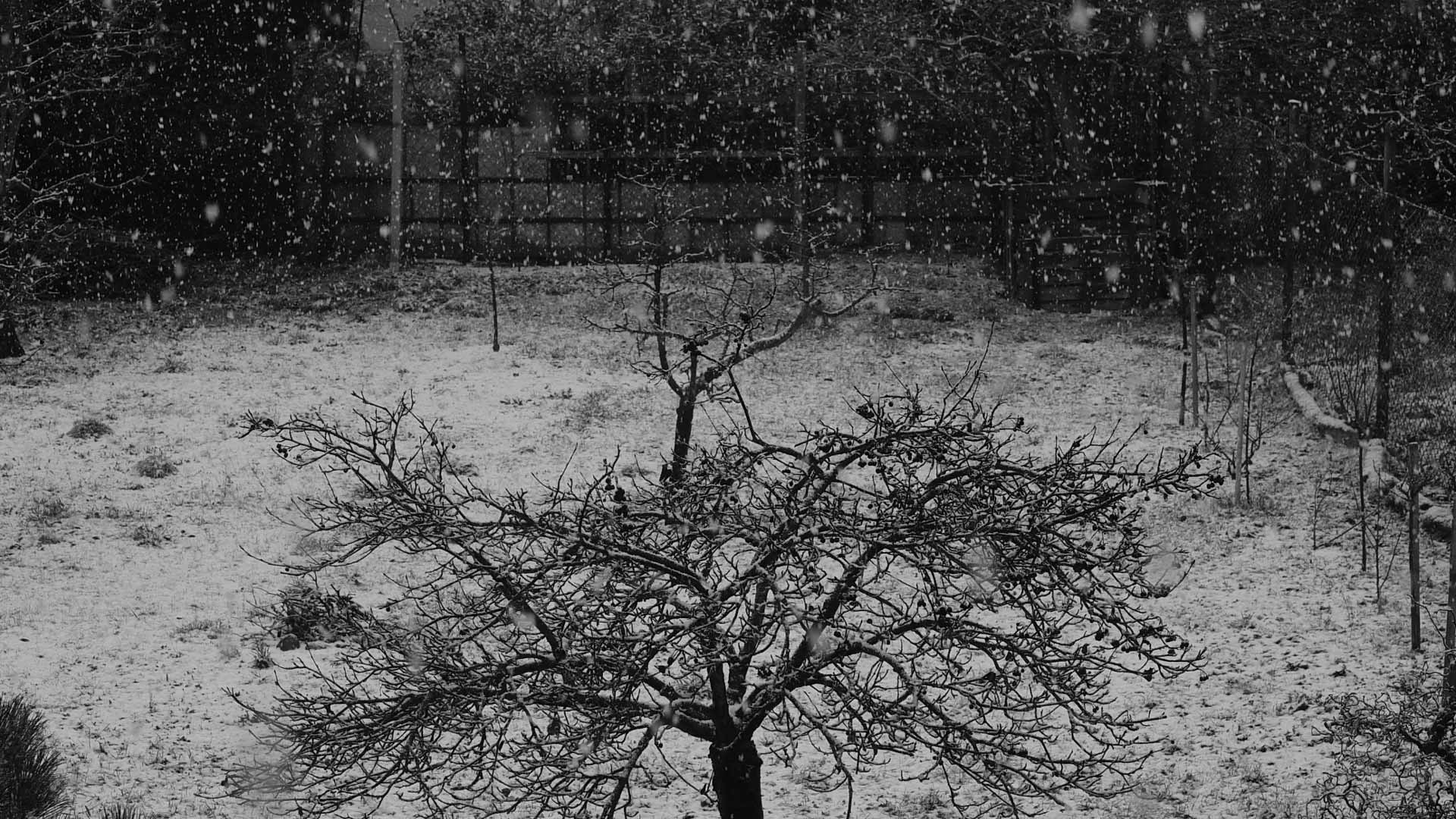
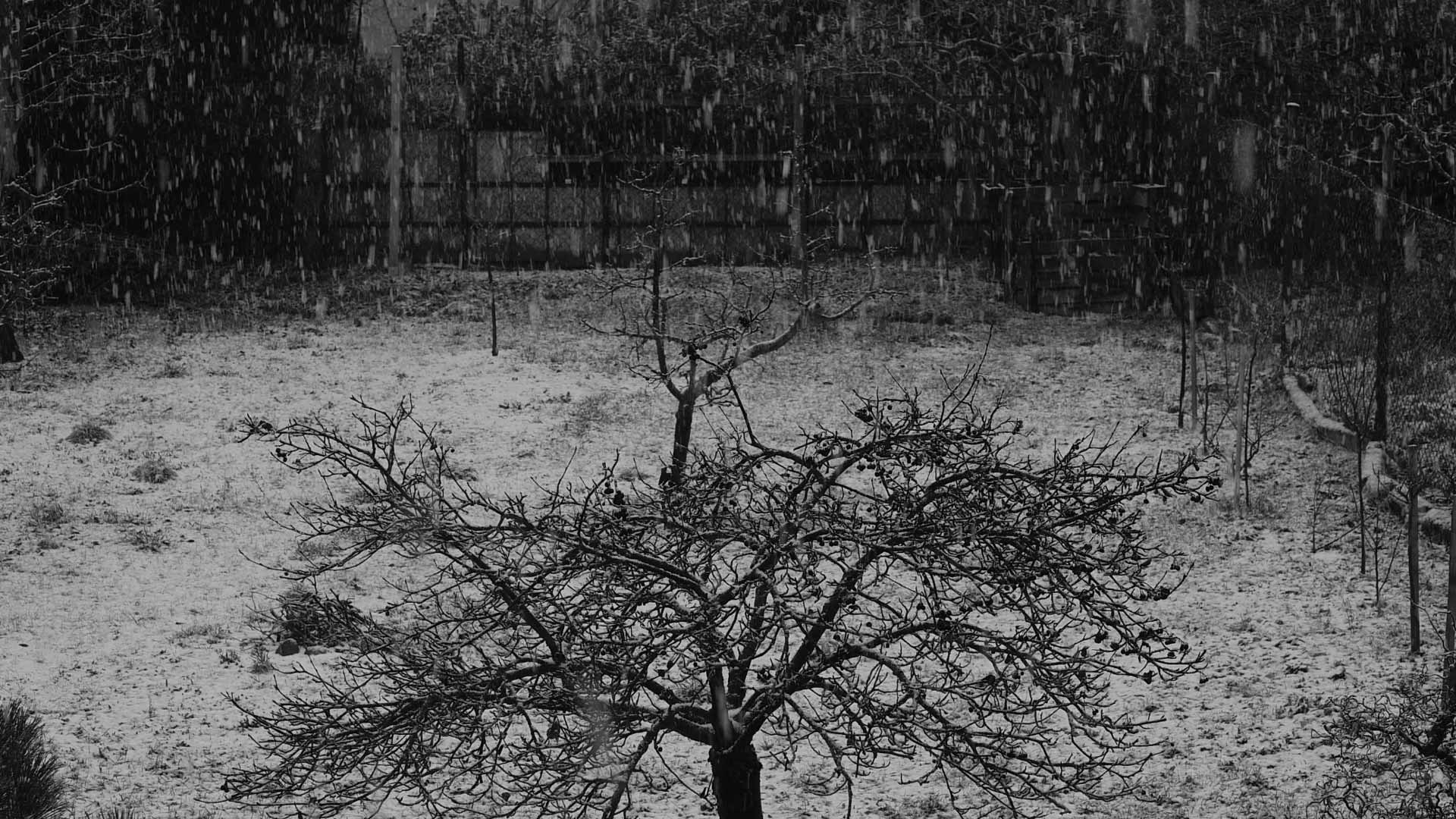
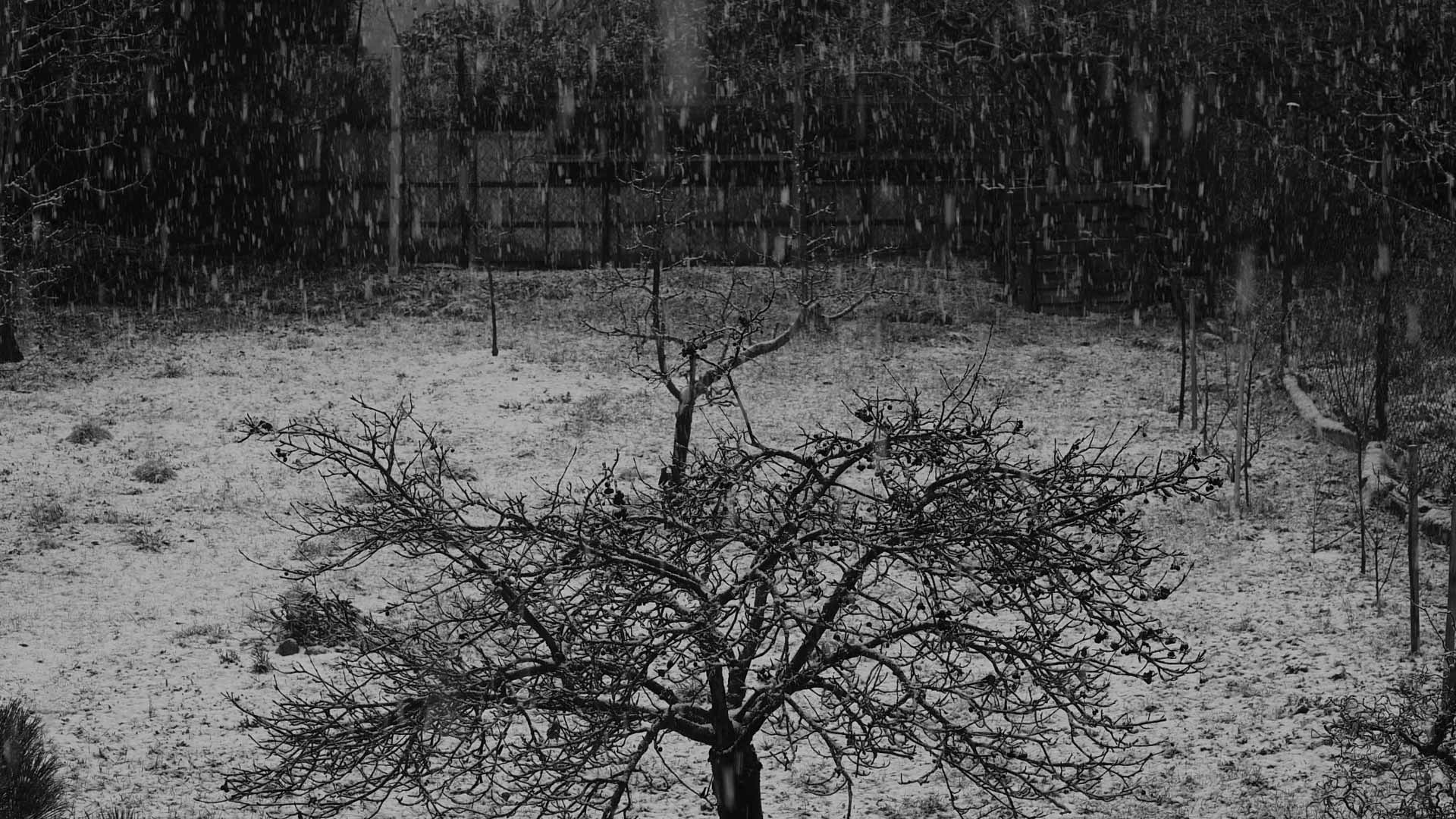
What you see above are two consecutive frames from a file shot at 1/50th of a sec.

Observe the large motion blur of the snowflakes and by fixing your gaze on one of them look at where it is in the other frame.

The only variables changed for the test were shutter speed and ISO. Everything else stayed the same. The settings were the following:

1/50 – ISO 200

1/100 – ISO 400

1/200 – ISO 800

1/400 – ISO 1600

1/800 – ISO 3200

1/1600 – ISO 6400

Frame 2
Frame 1

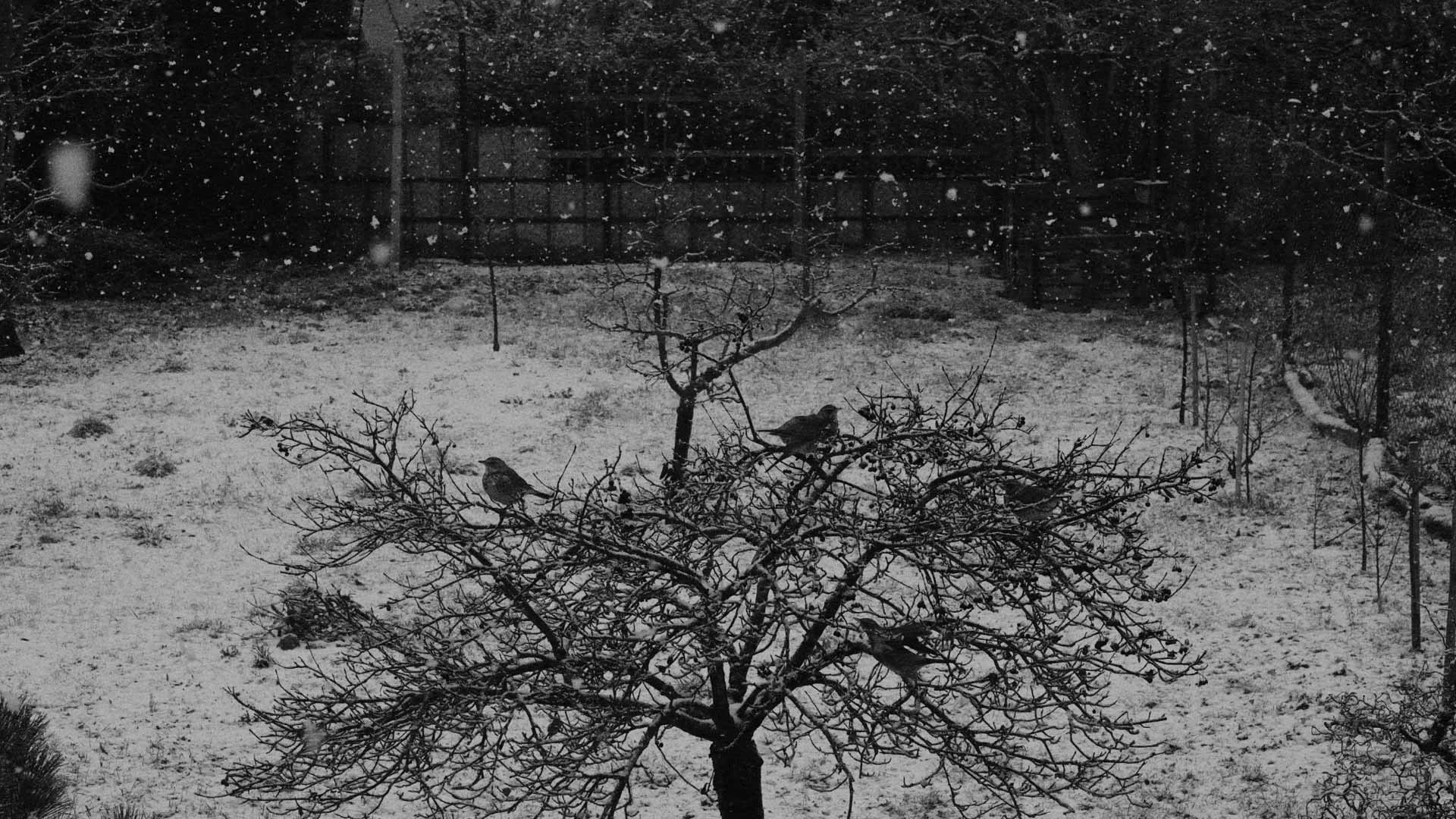
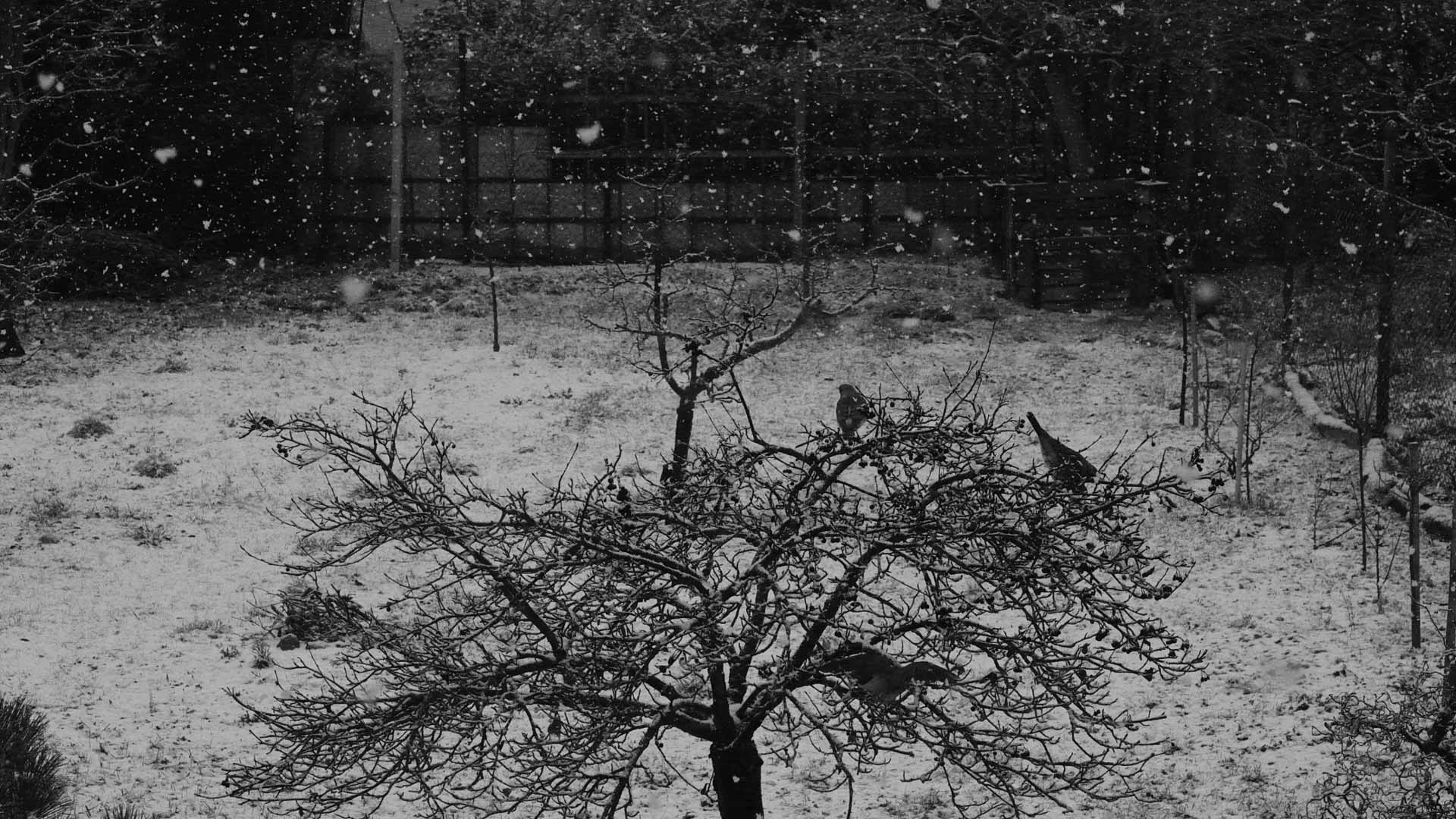
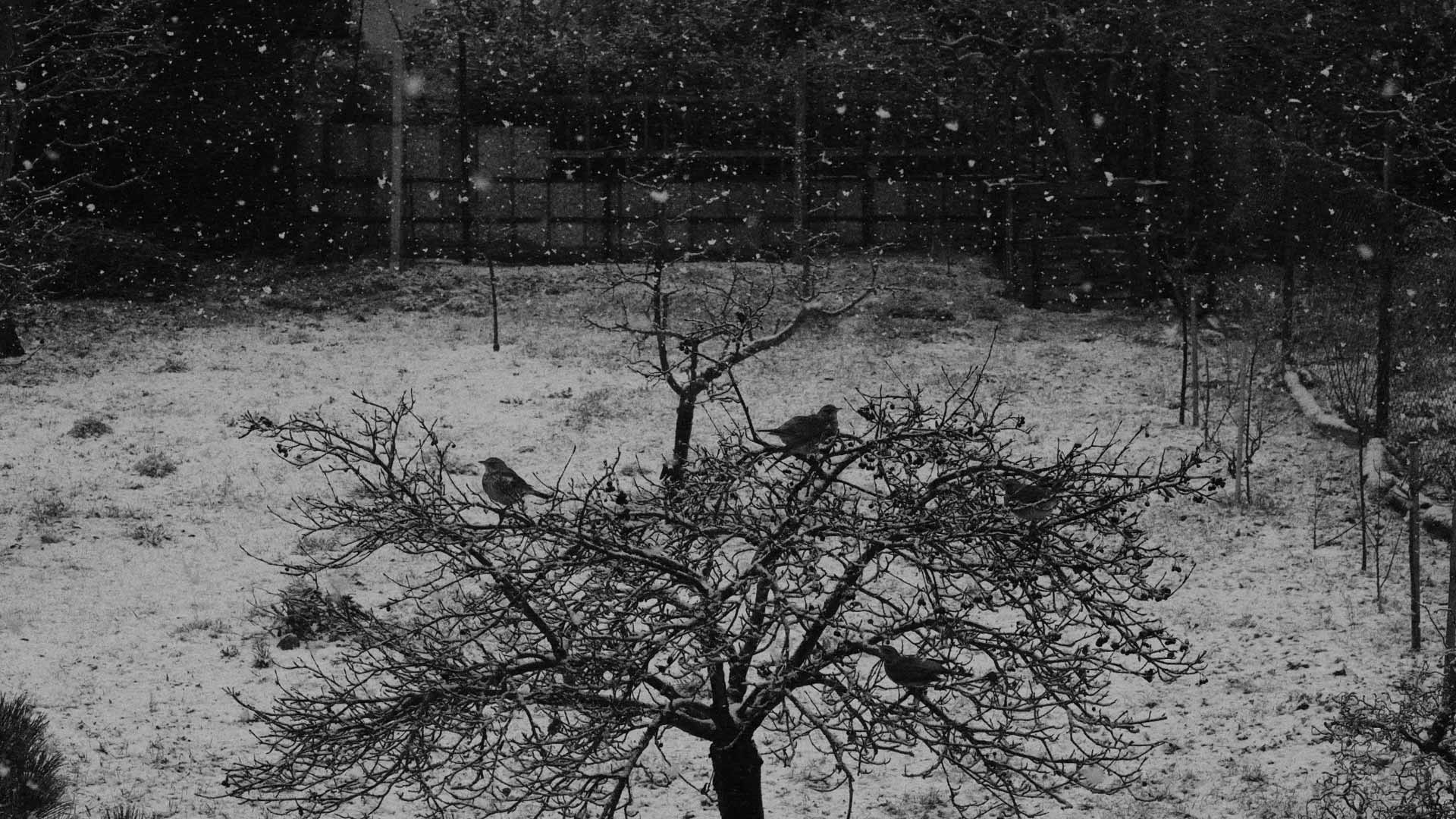
two consecutive frames from a file shot at 1/1600th of a sec. In other words, the shutter speed is 32x faster (shorter).

Observe How the motion of snowflakes is frozen. If you fix your gaze on one flake, it seems to ‘jump’ to it’s new location in the second frame. Thanks to the birds that have landed, you can also see the change in their position.

the test

You don’t have to watch the complete video. I made each section 45 seconds long so that you could observe how different shutter speeds change motion blur without having to rush.

Each section has subtitles that allow you to identify what you’re watching for 15 seconds. The first half of the video are split screens between different shutter speeds. The second half of the video shows you the individual clips full-width.

1. Some motion blur is necessary

The most important and seemingly obvious conclusion is that changing your shutter speed will result in video that looks very different.

1/50th of a second is, photographically speaking, a relatively slow (long) shutter speed for a lot of handheld subjects. As long as I have enough light I would never shoot any scene involving people at that speed, not if having my subject perfectly frozen is a priority. For that, I would prefer to have a shutter speed of 1/200-1/250th of a second.

The usual goal with a still is to freeze time. Time ‘flows’ and we want to capture a single moment to be able to observe all its details as ‘time stands still’. In a narrow technical sense that means that if an eyebrow or droplet of water or a hummingbirds feather would be 3 pixels wide but because our shutter speed is too slow it is instead recorded across 5 pixels then we have lost sharpness.

True, the emotional impact of the shot is not about technical perfection. It can be just the opposite! But from a purely technical perspective, our still image is now not as sharp as it could have been.

Yet, shooting video, the slowish shutter speeds of 1/48, 1/50 or 1/60 are our (current) default values. As you can see from the videos, the lack of motion blur at faster (shorter) shutter speeds leads to an unpleasant strobing effect.

The strobing is a result of moving items (like snowflakes or birds in these clips) being visibly displaced between two frames. You end up looking at 25 discrete displacements per second – making the viewing experience (for good or ill) very different from what we’ve gotten used to.

2. The perceptual change is incremental

It’s also important to realise that change is incremental and, in practise, often imperceptible when you look at 1 stop of a difference. In other words simply halving your shutter speed will not produce a drastically different creative effect.

1/100
1/50

compare the motion blur between shutter speeds of 1/50 and 1/100. Can you see the difference? Of course, you can. Is it huge? No, it isn’t.

1/800
1/400

The same with shutter speeds of 1/400 and 1/800. Can you spot the difference? I can’t on a still. I can in the video.

Why is this important? It can (and does) happen that you’re shooting outdoors and you don’t have an ND filter. Your image is getting overexposed or perhaps you’d like to open up your aperture a bit (to make your depth-of-field shallower).

Can you change your shutter speed from 1/50 to 1/100? Perhaps even to 1/200?

Of course, you can! A single stop will not make a huge difference and if your shot is relatively static and steady, you won’t have any disturbing motion artifacts. You might even get away with two stops.

It all depends on how much movement you have within your shot and how much camera movement you’re adding to it.

3. Two stops will make a difference. Three stops will make a huge difference.

Many vloggers, travel, sports and lifestyle videographers use smartphones, small action cameras (like GoPros) or gimbals with integrated cameras (e.g. the DJI Osmo or the GoPro Karma).

What they often don’t realise is that many of these cameras are equipped with lenses that do not enable you to change the aperture. You simply can’t. The only way you can adjust your exposure on these gadgets is by changing your ISO and/or your shutter speed. Shooting in bright light the ISO is already at its minimum, so these cameras are forced to adjust exposure by selecting to faster and faster shutter speeds.

1/200
1/50

the difference in motion blur between shutter speeds of 1/50 and 1/200 is already obvious.

1/400
1/50

The 3 stops of difference between shutter speeds of 1/50 and 1/400 already make a huge difference in how motion is recorded.

In bright conditions, with ISO already at 100 these cameras often switch to a shutter speed of 1/2000 or 1/4000th of a second!

And now you know why lots of skiing, water skiing or mountain biking action videos look and ‘feel’ so strange.

Conclusion

As a matter of tradition from the mechanical film age, digital video frame rates will even today, if not determine, then at least strongly influence the shutter speed of your videos.

Shooting at 25 frames per second will mean a shutter speed of 1/50th of a second, 30 fps means 1/60th of second.

To some extent how we react to varying amounts of motion blur burned into our footage is subjective (people used to playing action computer games won’t even see the difference). To some extent our perception of it is determined by the physiology of the human eye.

The most important is to make sure that as a videographer or filmmaker you understand the difference and make shutter speed a matter of conscious choice.