Exposure in very lay terms is the total amount of light reaching your light sensitive surface. That surface can be film or a digital sensor. Or your retina.
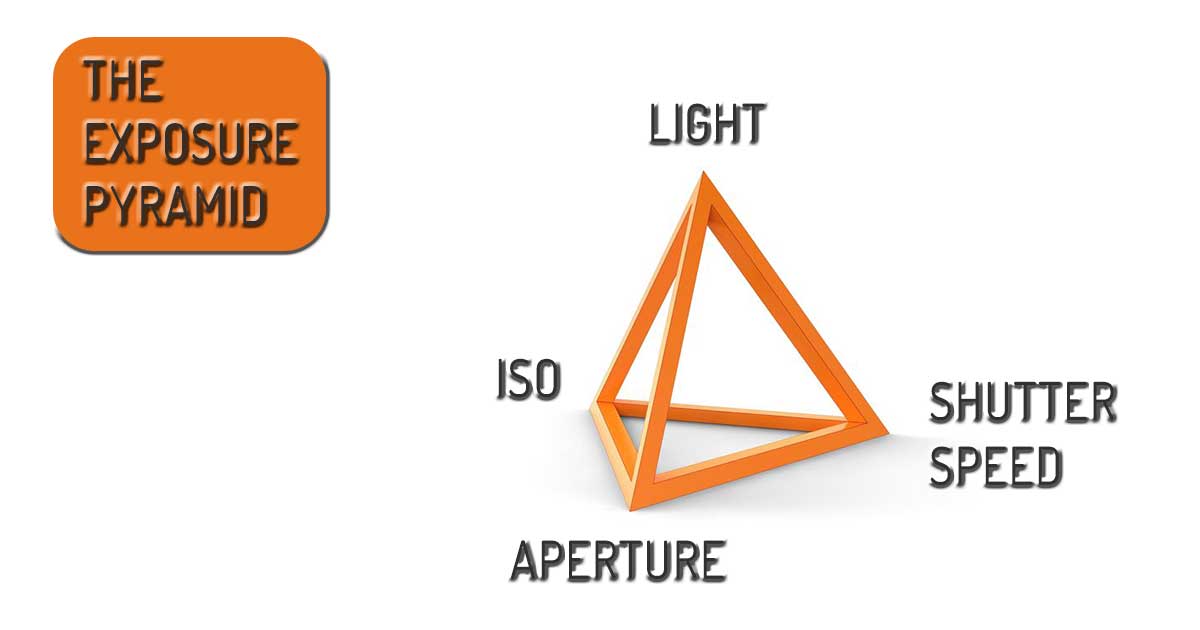
While every visualisation aid is good for something, I find the famous ‘exposure triangle’ super misleading. Exposure depends on four, not three variables:
light, aperture, shutter speed and ISO
If we must, let’s at least talk about the Exposure Pyramid.
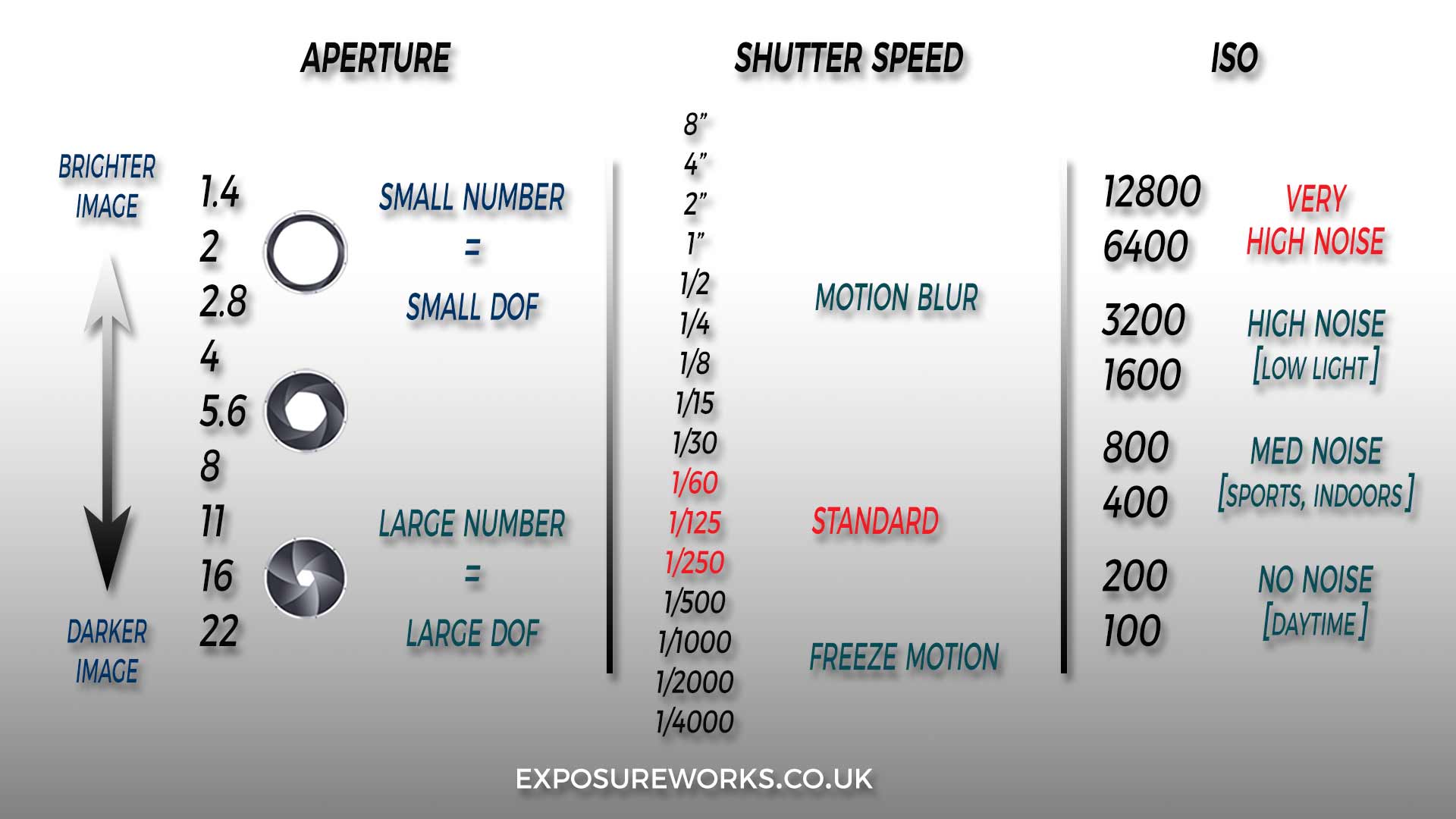
The ExposureWorks exposure card below helps you visualise the relationship between the three variables that you set up in your camera.
Going towards the numbers on the top make the images brighter (increase exposure), the numbers towards the bottom make the image darker (reduce exposure).
Next to the numbers I also indicated the creative or technical ‘side-effect’ that a given variable has. Aperture influences your depth-of-field, shutter speed determines motion blur and ISO will result in lower or higher levels of digital image noise.
The numbers you’ll see are the traditional full stops.
The stop is the only unit you really need to understand when it comes to exposure.
1 stop more means twice the exposure. 1 stop less means half the amount of exposure.
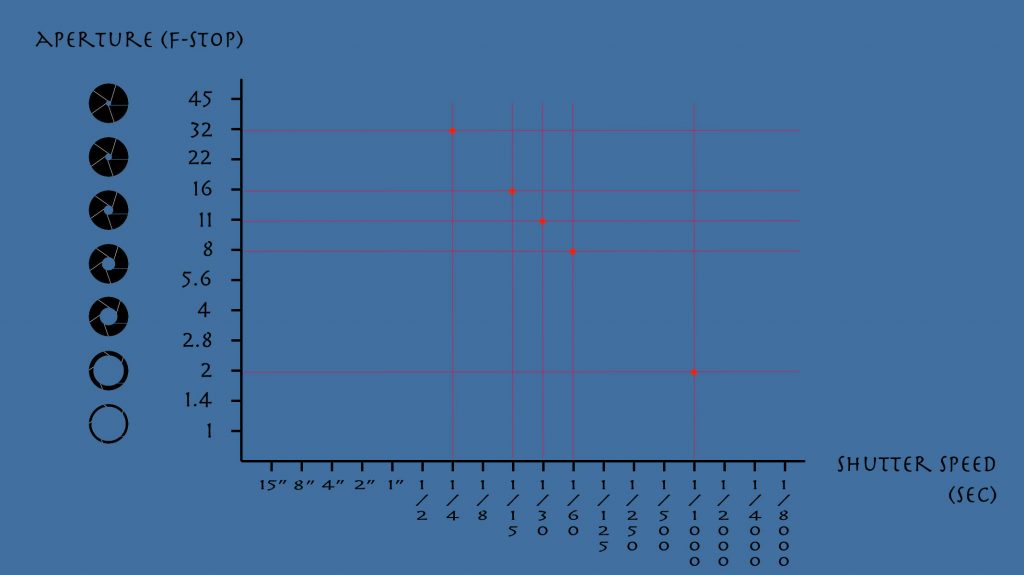
If you want to use the card as a tool, download and print it. To see equivalent exposure settings always ‘move’ the same number of step up or down relative to your initial settings.
Photography is not about the numbers.
But they sure help!
You need them to take creative control of your camera.
Work towards associating numbers with the creative effect they will have on your images: shutter speeds give you motion blur (blur in time), aperture determines depth-of-field (blur in space).
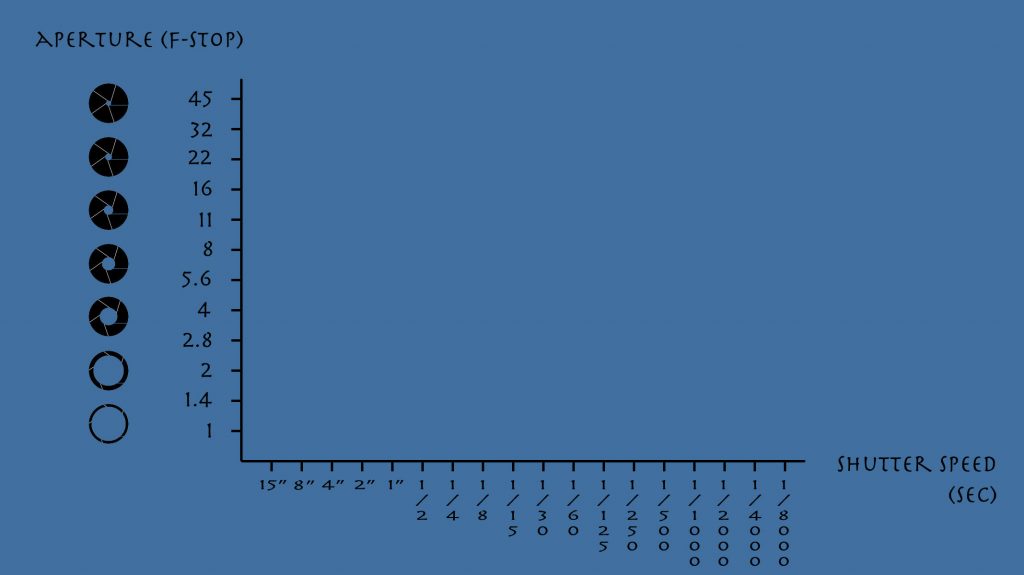
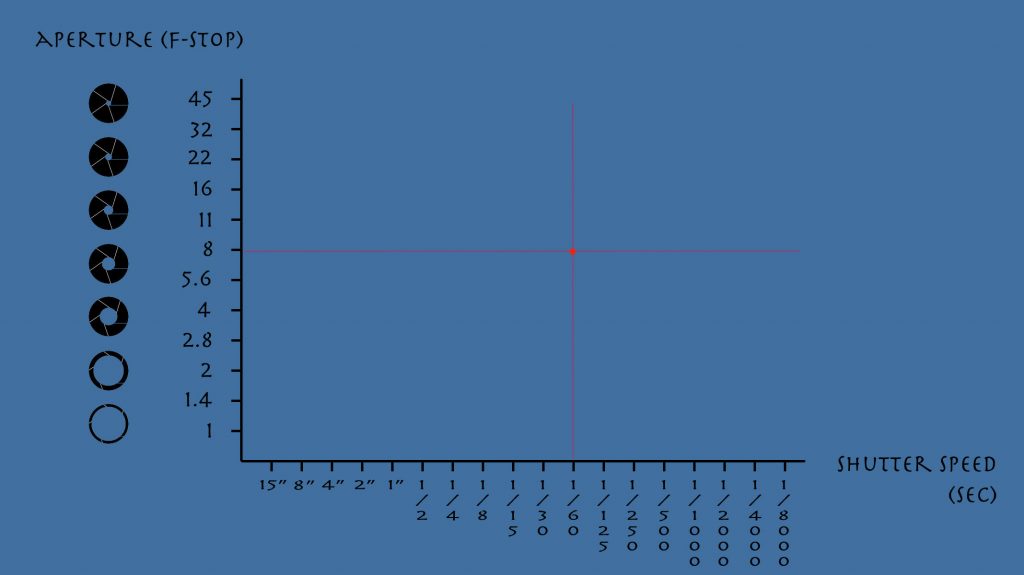
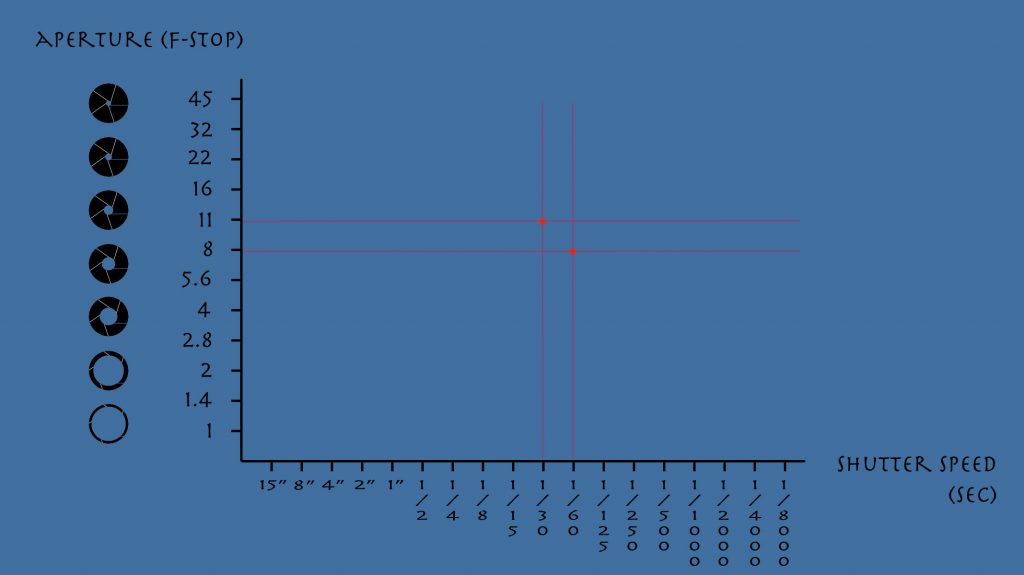
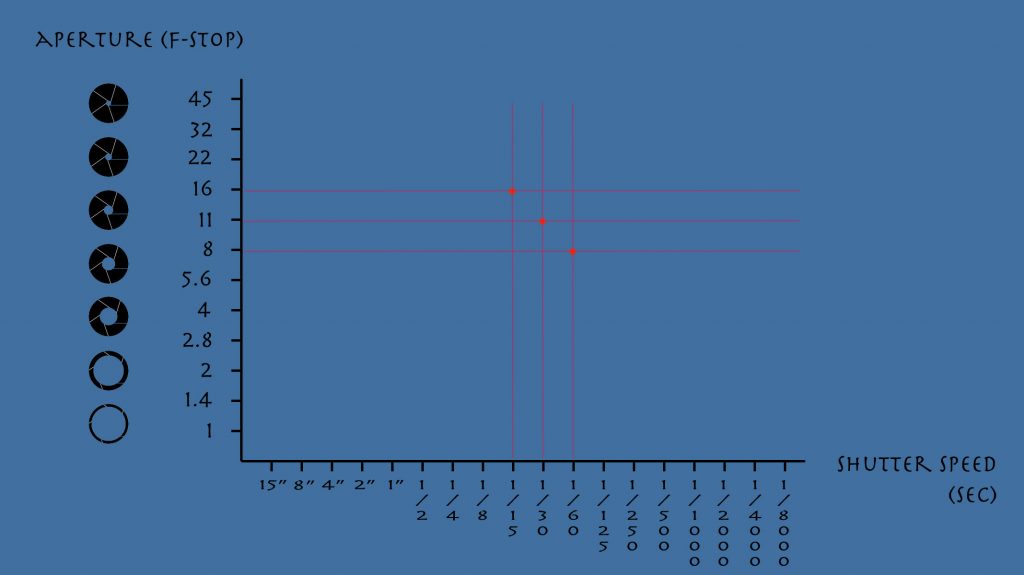
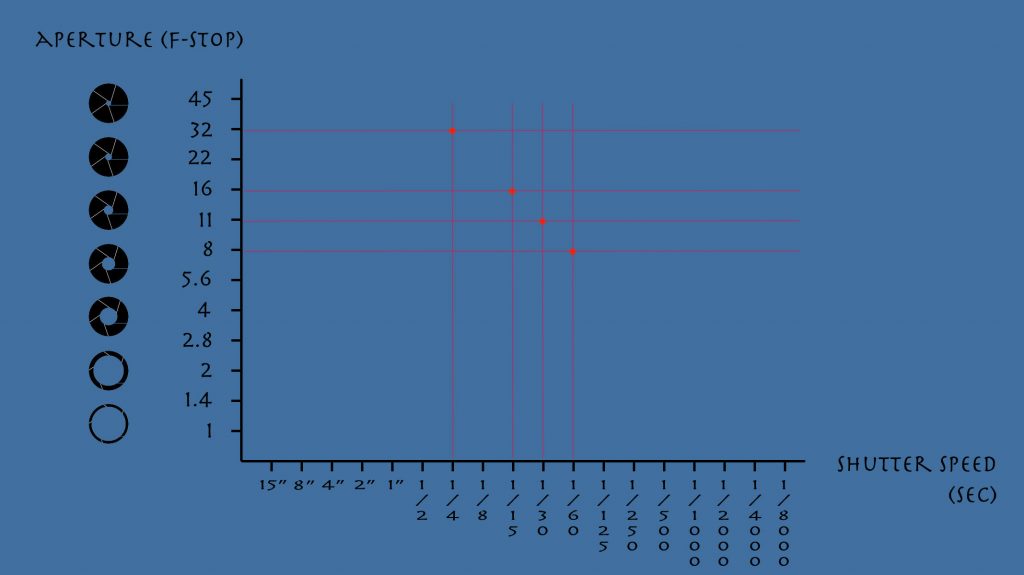
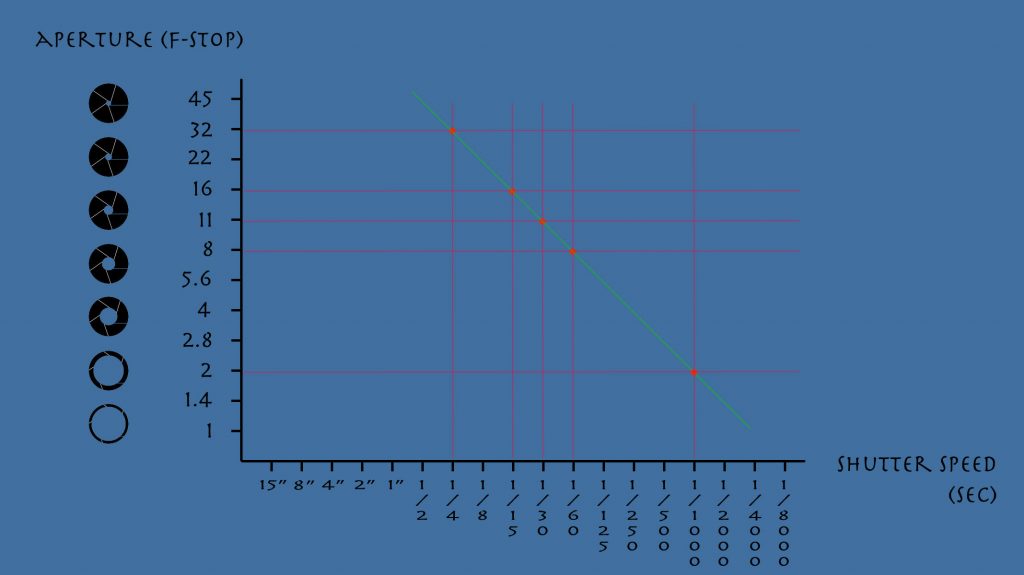
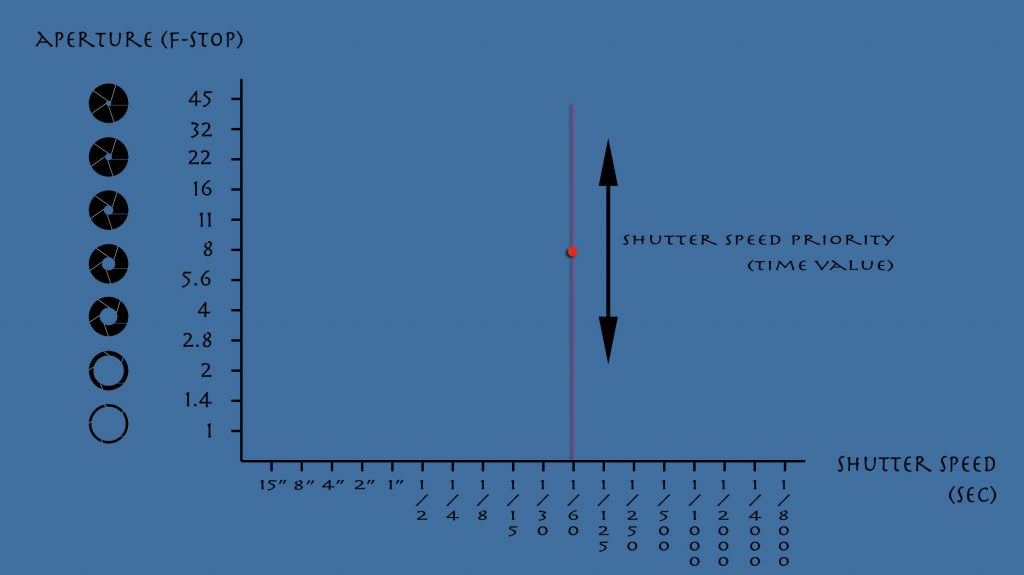
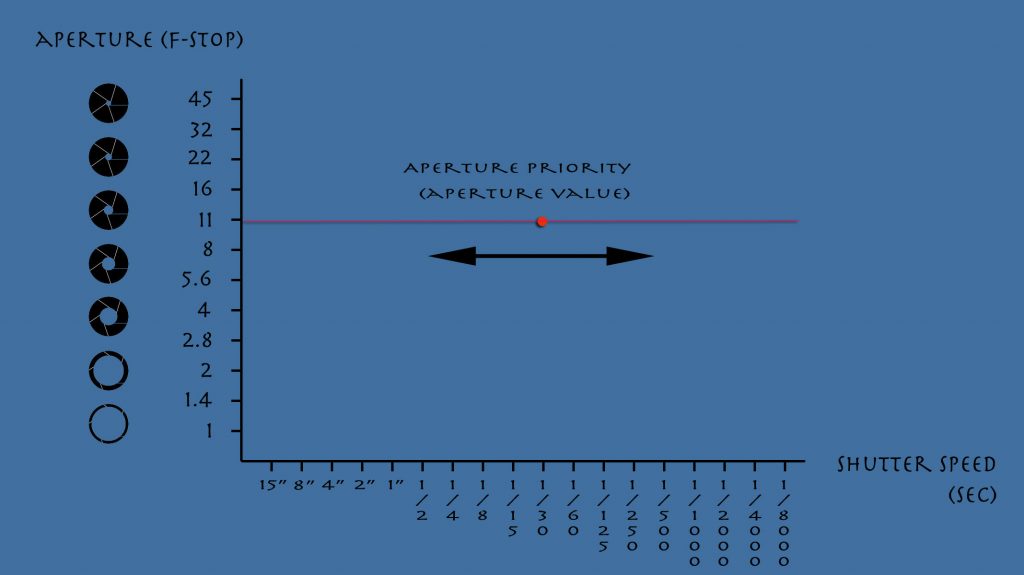
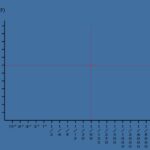
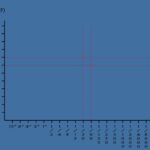
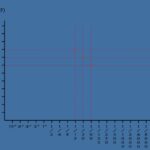
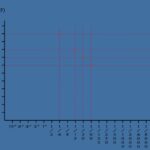
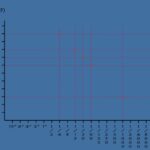
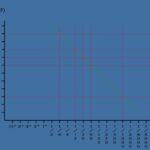
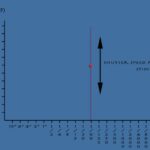
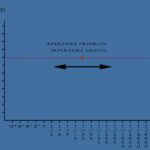
The graphs below illustrate the balance between shutter speeds and apertures. Their logic is exactly the same as that of the card – they just show it in a slightly more ‘mathematical’ way.
watch the Exposureworks Card in action!
Here is a short video demonstration how you can use the EW exposure card to make quick calculations.
We use cookies to ensure that we give you the best experience on our website. If you continue to use this site we will assume that you are happy with it.OK